Using GSR in market research

What Is Galvanic skin response (GSR)?

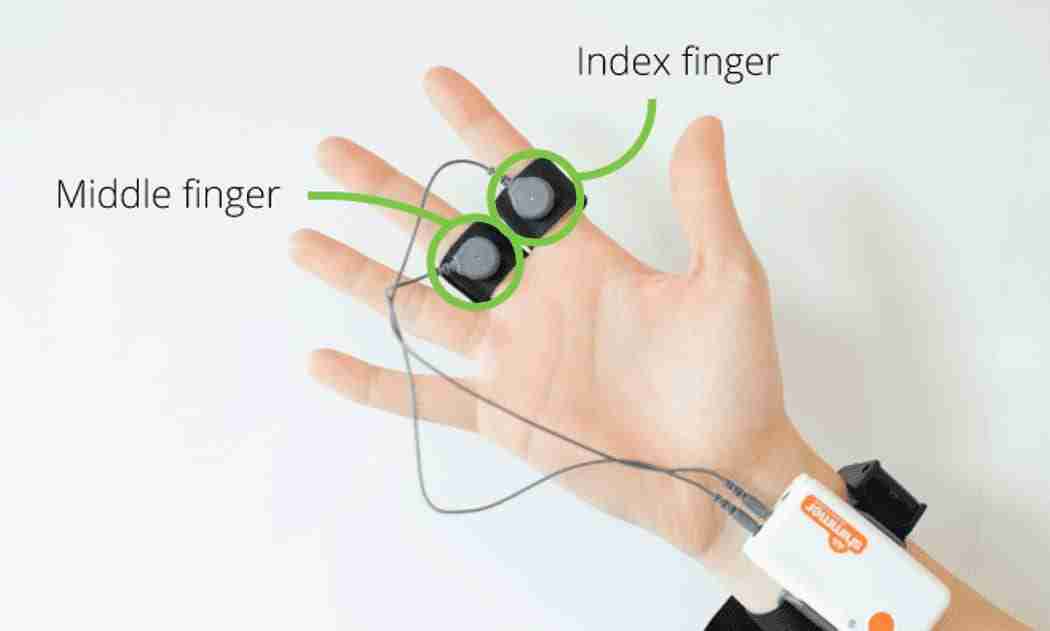
The galvanic skin response (GSR) refers to changes in sweat gland activity that are reflective of our emotional arousal. Typically. an electrode is applied to the fingers to measure skin conductance, and the higher the skin conductance, the higher the arousal. GSR is becoming an increasingly popular and exciting ‘biometric’ in market research as it can uncover the consumers’ subconscious, physiological arousal towards a particular product, brand or advertisement.

What emotions does GSR measure?

Our level of emotional arousal changes in response to the environment we’re in – if something is scary, threatening, joyful, or otherwise emotionally relevant, our bodily processes trigger automatically; the heart beats faster, the pulse rises, and our hands become sweaty. Sweat, even in small quantities, acts as a conductor of electricity. Both positive (“happy” or “joyful”) and negative (“threatening” or “saddening”) stimuli can result in an increase in arousal and an increase in skin conductance. The GSR signal is, therefore, not representative of the type of emotion but its intensity.

Using GSR in market research

As skin conductance is not under conscious control, GSR is seen as a reliable, objective indicator of our emotional state, and emotion is a well-established driver of consumer decision-making. In market research, respondents are strapped to GSR sensors whilst exposed to various stimuli. Key metrics such as the number of peaks and the peak amplitudes allow researchers to compare the arousal levels of various products, brands or marketing materials. The results can inform product development, packaging development, copy and brand messaging, website and advert testing.

GSR is not designed as a standalone market research tool due to its broad measure of emotional arousal. It is therefore important to use it in combination with other techniques, such as facial expression analysis or self-reported survey data, to delve deeper into the type of response.

Latest News

Keep up to date with the latest news from Vision One.

Brand Reputation Measurement & Tracking Explained

Brand reputation is the public’s perception of a brand, shaped by customer experiences, trust, values, and communication. For marketers, it’s a vital asset that drives loyalty and competitive advantage. Actively measuring and tracking brand reputation identifies risks, strengthens credibility, and ensure long-term growth

READ MORE
Z Test in Research & Statistics

The Z test is a statistical method used in research to check if differences between groups or results are real or just due to chance. By comparing data to an expected average, it helps businesses confirm whether findings are meaningful, giving confidence in decisions based on survey results.

READ MORE